
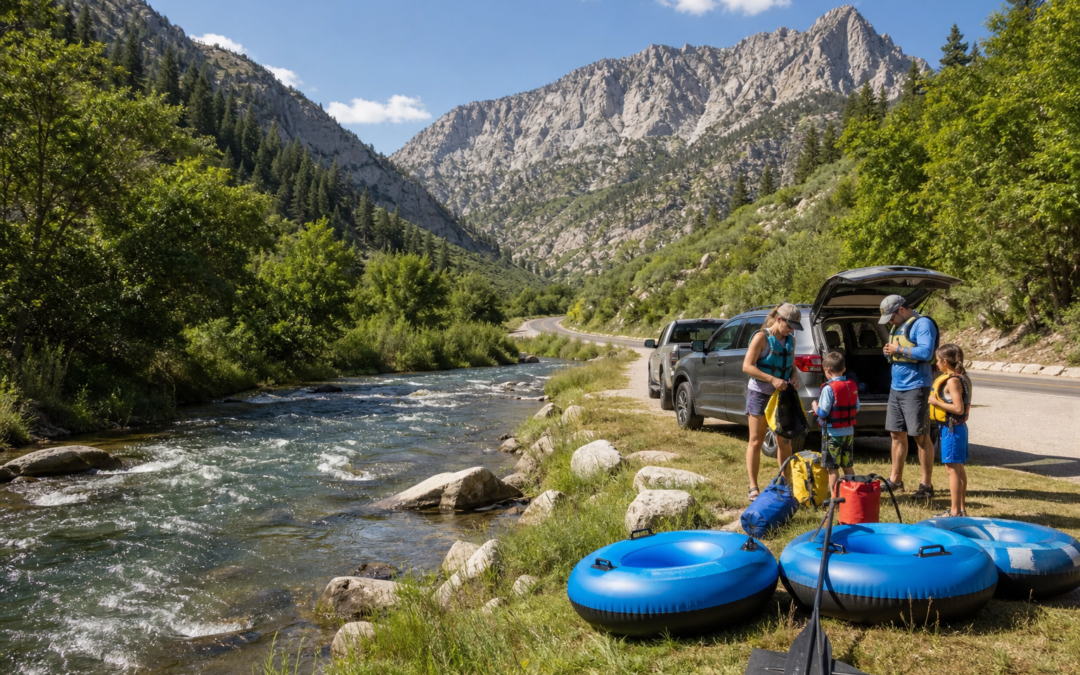
Quick answer: Before you head into Provo Canyon for a float day, check UDOT Traffic for road incidents or construction, confirm your park/access plan with Utah County Parks, look at the latest Salt Lake City-area weather forecast, and review current water information before anyone gets in the river. Treat this page as a repeatable pre-drive checklist, not a promise that canyon roads, parking, flows, or weather will stay the same all weekend.
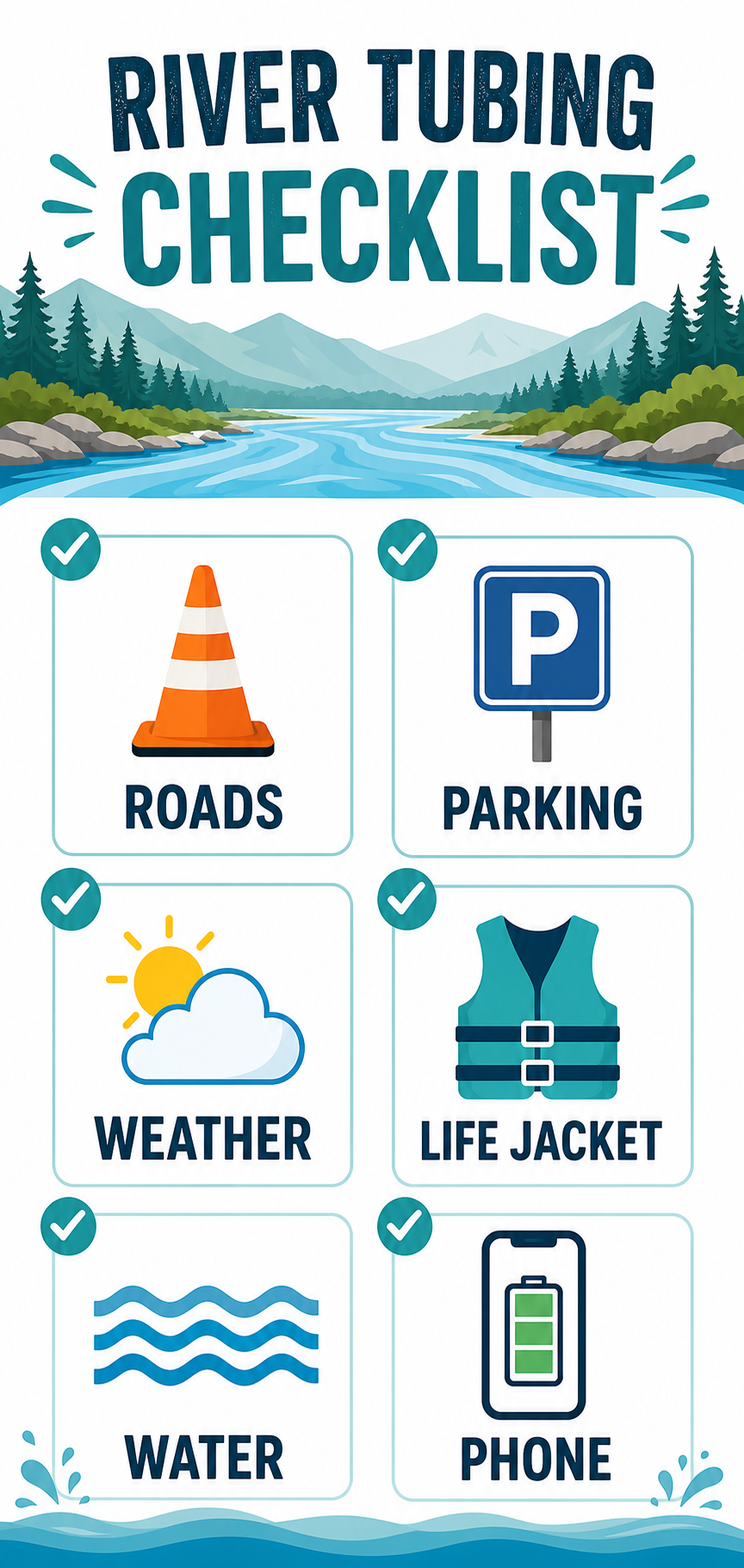
At a Glance: Provo Canyon Access Check
- Roads: Open UDOT Traffic before you leave and again if plans change.
- Parking/access: Confirm your planned meetup, picnic, or takeout area through Utah County Public Works Parks.
- Weather: Use the National Weather Service Salt Lake City forecast for heat, storms, wind, and lightning potential.
- Water: Check current river and advisory sources before floating, including CUWCD river flow information when relevant.
- Gear: Bring real river tubes, properly fitted life jackets, secure footwear, water, sun protection, and a pump.
Provo Canyon is one of the easiest Northern Utah escapes to love: mountain views, cold water, shady picnic areas, and a classic Lower Provo River float. It is also a canyon corridor where one crash, construction zone, full parking lot, afternoon storm, or missed gear item can turn an easy water day into a stressful one.
This road and access watch is built for families, friend groups, and first-time floaters who are planning a Provo River tubing day. For the full route, safety, put-in/takeout, and float overview, start with Tube Utah’s Provo River tubing guide. Then use this checklist the morning you drive.
1. Check UDOT Traffic before you drive into Provo Canyon
For road conditions, incidents, construction notices, and travel alerts, use UDOT Traffic as your first stop. UDOT’s map and alert tools are designed for current traveler information, which is exactly what you need before committing a group to a canyon drive.
Look for anything that could affect US-189/Provo Canyon, nearby canyon approaches, or your route from American Fork, Lehi, Orem, Provo, Heber, or other Northern Utah starting points. If you see an incident or closure, do not assume it will clear before your group arrives. Adjust timing, choose a different meetup spot, or postpone if the drive becomes unreasonable.
What to look for on UDOT Traffic
- Crashes or lane restrictions on the route into the canyon.
- Construction zones that could slow traffic near popular access points.
- Weekend or evening closures that affect your return trip.
- Traffic backups around canyon entrances, trailheads, waterfalls, or parks.
- Weather-related road concerns during storms or high-wind periods.
2. Confirm your park, meetup, and takeout plan
Popular Provo Canyon stops can fill quickly on warm weekends. Utah County Public Works lists canyon-area park resources, including Vivian Park, Nunn’s Park, Bridal Veil Falls, and Canyon View Park on its parks page. Use official park information for locations, amenities, rules, reservation options, and any posted updates.
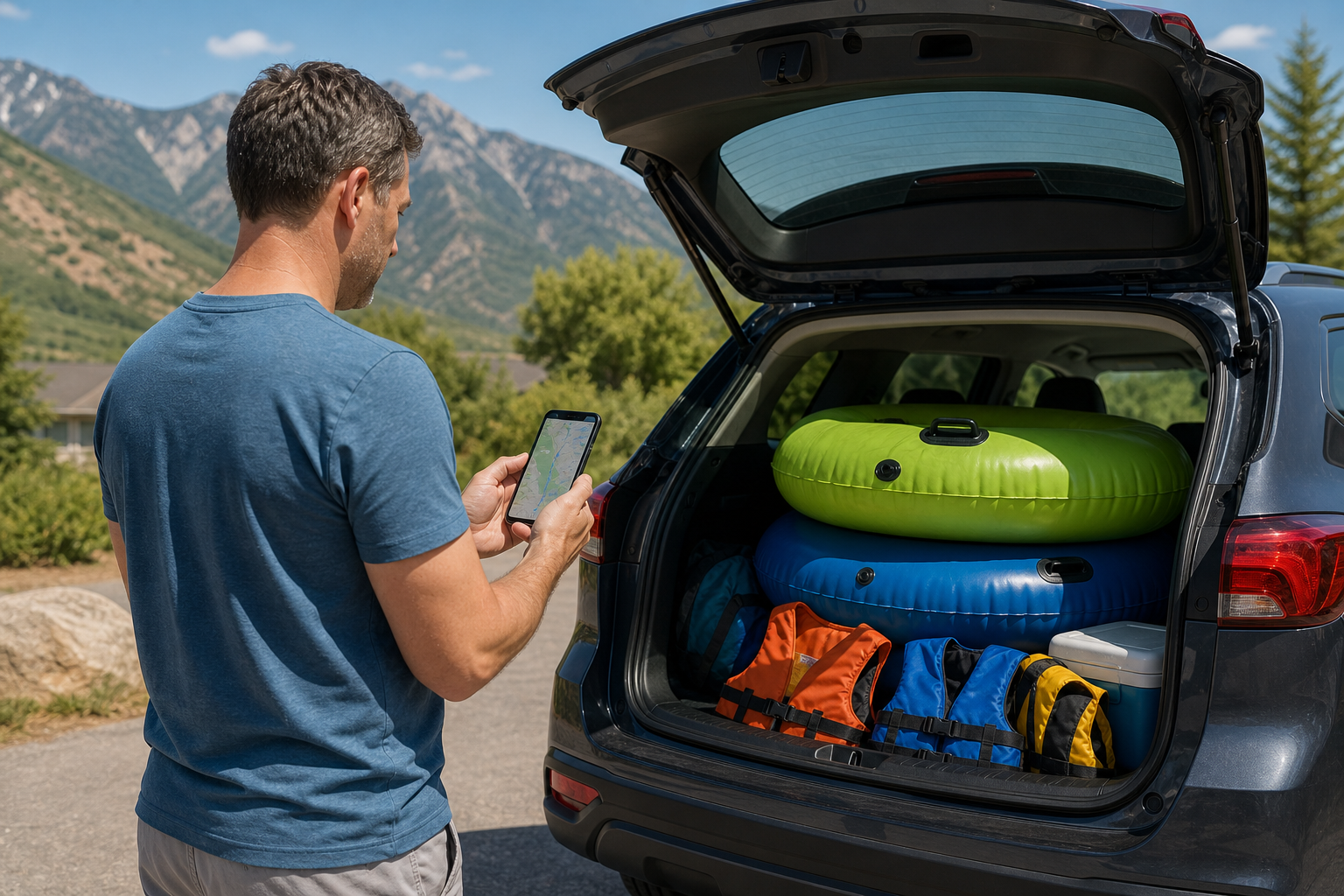
If your group is floating, decide where people are meeting, where vehicles will be staged, and what your backup plan is if parking is full. A little planning matters because cell service, group timing, and canyon traffic can all make last-minute coordination harder than it sounds.
Parking and access questions to answer before leaving
- Where is the group meeting first?
- Where will the non-floating vehicle or pickup driver wait?
- Is the chosen park or picnic area reservation-based for your activity?
- What is the backup plan if parking is full?
- Does everyone have the exact location, not just “meet in Provo Canyon”?
3. Check weather like it can change your plan
Summer canyon weather can feel very different from neighborhood weather in Utah County. Before you leave, check the National Weather Service Salt Lake City forecast and alerts for the day. Pay attention to heat, wind, thunderstorms, lightning potential, and fast-changing afternoon conditions.
Do not treat a sunny morning as a guarantee for the full day. If storms are building, lightning is nearby, or wind makes the water day feel sketchy, choose a safer activity or wait for better conditions. Tube Utah can help with gear, but the weather gets the final vote.
4. Check water conditions separately from road conditions
Road access is only one part of a float decision. The Provo River is cold, moving water, and conditions can change with releases, runoff patterns, weather, and other factors. For river-flow context, check official data sources such as Central Utah Water Conservancy District river flow information and use current-condition language instead of relying on someone’s old social post.
If your group is also considering Utah Lake or another lake/reservoir stop, check official water-quality advisories before getting in the water. The Utah Department of Environmental Quality maintains a harmful algal bloom advisory panel for current notices. Advisory details can change, so check close to your trip time.
5. Pack for the access plan, not just the float
Good gear makes delays and access changes easier to handle. If a parking lot is full or your group needs to wait for a pickup driver, you will be glad you brought water, shoes, sun protection, and correctly sized life jackets—not just tubes.
For a deeper packing breakdown, use our what to bring tubing the Provo River guide. If you still need equipment, Tube Utah’s Provo River tube rental guide explains tube, life jacket, and pump planning for local float days.
Float-day access kit
- Fully charged phone plus a portable battery.
- Saved map pins for meeting, launch, takeout, and backup parking.
- Water for before and after the float.
- Properly fitted life jackets for each person, especially kids and weaker swimmers.
- Secure river shoes or sandals with heel straps.
- Pump, patch kit if available, and a plan for deflating/hauling tubes.
- Dry bag or waterproof phone protection.
- Trash bag so your group leaves the canyon cleaner than you found it.
6. Build in weekend crowd time
Warm Saturdays, holidays, and late-afternoon canyon windows can be busy. If your group is on a tight schedule, leave earlier, avoid overcomplicated shuttle plans, and make sure everyone knows that parking and traffic can change the day.
The most relaxed groups usually have a simple plan: arrive early, check current conditions, use durable gear, keep kids close, and agree on a pickup point before anyone gets on the water. If anything looks off—traffic, weather, water, access, or group readiness—it is okay to choose a different plan.
Tube Utah tip: make the gear part easy
Planning a Northern Utah water day? Tube Utah rents durable river tubes, life jackets, and pumps for families and groups who want the gear side handled before they drive toward the canyon. Start with the Weekend Provo River float check, then reserve the gear your group needs so the morning is less chaotic.
FAQ: Provo Canyon road and access planning
Where should I check for Provo Canyon road closures?
Use UDOT Traffic for current incidents, closures, construction, and travel alerts. Check the morning of your trip and again before returning if weather or traffic is changing.
Is parking guaranteed at Provo Canyon parks?
No. Parking and access can vary by day, time, events, reservations, and crowd levels. Check Utah County Parks for official park information and always have a backup plan.
Can road conditions be fine while river conditions are not?
Yes. Roads, weather, river flow, water temperature, and water quality are separate checks. A clear drive does not automatically mean the water is appropriate for your group.
Should I cancel if the weather forecast mentions thunderstorms?
Do not ignore thunderstorm or lightning potential. Check the latest National Weather Service forecast and choose a safer plan if storms are likely during your water window.
Sources and Further Reading
- UDOT Traffic — current road alerts, incidents, construction, and traveler information.
- Utah County Public Works Parks — official park locations, amenities, reservations, and park resources.
- National Weather Service Salt Lake City — forecasts, alerts, heat, wind, and thunderstorm information.
- Central Utah Water Conservancy District river flows — river-flow context to check before floating.
- Utah DEQ harmful algal bloom advisory panel — current water-quality advisory information for Utah water bodies.